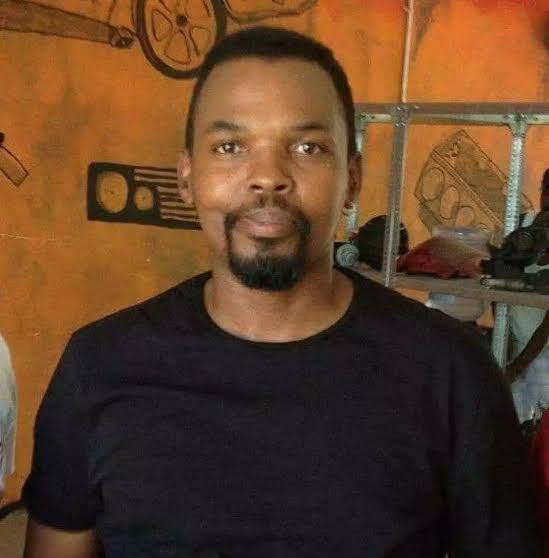
Mfana Jones Hlophe, born Thembinkosi Phillip Hlophe in Durban, South Africa, was a South African actor, singer, dancer, writer and director whose career spanned theatre, television, film and music for nearly four decades. Raised in the uMlazi township south of Durban, he became known to audiences through roles in productions that reached both local and international stages and screens.
His work connected the traditions of South African township theatre with contemporary television storytelling. From early ensemble performances in landmark musicals to later character roles on major soaps and independent creative projects, he remained active as a performer and mentor until his death in October 2026.
Mfana Jones Hlophe Early Life
Mfana Jones Hlophe was born on 29 April 1971 at King Edward Hospital in Durban. He grew up in uMlazi, a large township south of the city that has long produced artists, musicians and performers. His mother was Ncamisile Mavis Hlophe, who died in 2016, and his father was Mzochithwayo Robert Hlophe, who died in 2021. He received his early education in the local community and later completed further studies, including time at a coaching school in Pietermaritzburg.
At the age of 16 he was diagnosed with Type 1 diabetes. The condition remained a lifelong challenge, yet it did not deter him from pursuing the performing arts. He developed a natural talent for singing within church and community settings in uMlazi and Pietermaritzburg before moving into professional performance. His formal entry into the industry began in the late 1980s under the guidance of established theatre figures.
Mfana Jones Hlophe Career
Theatre Foundations and International Tours
Hlophe’s professional journey started in 1987 when, at age 16, he joined the stage production Township Fever under the mentorship of Mbongeni Ngema. He continued with Ngema’s company and became part of the ensemble for Sarafina!, including its international touring production that began around 1988 and 1989. The experience took him to Europe and other destinations and culminated in an appearance in the 1992 film adaptation of Sarafina!, in which he contributed as a dancer and ensemble member.
In the early 1990s he trained further at Gibson Kente’s School of Arts. Under Kente’s guidance he began writing scripts and performed in works such as Mfowethu. He later lived and studied with Kente in Dube, Soweto, for a period, absorbing lessons on theatre craft, language and discipline. Additional training included puppetry with the African Research and Educational Puppetry Programme, where he also directed educational theatre pieces focused on HIV and AIDS awareness.
Hlophe took leading or prominent roles in several major stage works. He performed as a lead in Ipi Ntombi in the late 1990s, appeared in Gumboots at the Market Theatre, and took part in Woza Albert! for the Market Theatre and a British tour. Other stage credits included Five Guys Named Moe, The Necklace, Bergville Stories and Snow White and the Seven Dwarfs. He also choreographed and contributed to dance focused productions, drawing on gumboots traditions linked to South Africa’s mining history. International touring remained a recurring feature of this period, exposing him to European and other audiences.
Television Appearances
On television Hlophe became familiar to South African viewers through a range of supporting and recurring roles. Between 2006 and 2008 he played Jabu in the SABC1 drama series Soul City. He later appeared as Zakhele in Uzalo and took guest or supporting parts in Isibaya, Zabalaza, Imbewu: The Seed, Zone 14 and other local productions. Earlier credits included Mama’s Love and Khululeka.
In the mid 2020s he returned to prominent television work. He portrayed the character Nimrod, also referred to as Bra Nimz or Bra Nimrod Thabede, on Generations: The Legacy. Around the same period he appeared in the Mzansi Magic telenovela KwaBaba. These later roles marked a return to the small screen after periods focused more heavily on theatre and independent projects. He also contributed as a Zulu dialect coach on the 2024 film Masinga: The Calling and appeared in the 2017 film Asinamali as Msizi Dube.
Writing, Directing and Production Work
Beyond performing, Hlophe developed as a writer and director. He founded Eljay Productions in 2003, later renamed Enjay Productions in 2015, with the aim of mentoring emerging talent, particularly young people from uMlazi, in both theatre and television. Through the company he pursued independent creative work and sought to create opportunities for new artists.
The Covid 19 lockdown period reinforced his interest in writing his own material. He wrote and directed the satirical two hander Fish Out of H20, which examined challenges of democracy, corruption and everyday life in post 1994 South Africa. The play featured dance, singing and puppetry and was staged at the National Arts Festival in Makhanda before moving to the Market Theatre. He followed this with Under Siege Women, an almost all women gumboots production that he wrote and directed and took to the National Arts Festival. The work aimed to demonstrate that the physically demanding dance form, historically associated with male migrant labourers, could be performed powerfully by women.
He also directed educational theatre such as Waiting, an AIDS focused show aimed at tertiary institutions, and continued developing scripts for stage and screen. In 2017 he travelled to France to study screenwriting and directing, further expanding his skill set.
Music and Other Creative Pursuits
Hlophe remained active as a singer and composer alongside his acting career. He released singles including Zuwa Ne Zuwa, Nginike, Come Back and other tracks available on digital platforms. His musical background informed his stage performances and educational work. He taught African dance, created songs and dances with various artists, and maintained a presence as a versatile creative who moved fluidly between disciplines.
Selected screen credits include:
- Sarafina! (1992 film)
- Mama’s Love (television)
- Ipi Ntombi: An African Dance Celebration
- Asinamali (2017)
- Soul City (as Jabu)
- Uzalo (as Zakhele)
- Generations: The Legacy (as Nimrod)
- KwaBaba
- Imbewu: The Seed
- Isibaya
- Zabalaza
- Zone 14
- Masinga: The Calling (dialect coach)
Mfana Jones Hlophe Personal Life
Hlophe maintained a relatively private personal life. He had a partner who was present around the time of his final illness. He lived in Johannesburg while remaining connected to his family roots in Durban and KwaZulu Natal. His brother Bonani Mambi publicly shared details of the family’s experience after his death. Both parents predeceased him and were buried in Durban; the family planned for Hlophe to be laid to rest near them.
He managed Type 1 diabetes from the age of 16. Family members assisted with monitoring and reminders about medication and meals. In the days before his death he shared a video on social media in which he prayed and expressed gratitude for his family and life. On 7 October 2026 he was alone at home when his partner returned from work and found him in a serious condition. He was taken to Charlotte Maxeke Johannesburg Academic Hospital and was pronounced dead on arrival. His brother confirmed that complications related to Type 1 diabetes were the cause. He was 55 years old.
Colleagues and industry figures remembered him as a supportive presence who influenced younger performers. Tributes described him as a talented actor, a powerful voice and a loving partner whose work would continue through the stories and artists he helped shape.
Mfana Jones Hlophe Legacy and Influence
Hlophe’s career bridged the classic era of South African protest and township musical theatre with the commercial television landscape of the 2000s and 2020s. Training under Mbongeni Ngema and Gibson Kente placed him within a direct line of influential creators who used performance for both entertainment and social commentary. His later writing and directing work, including plays that addressed democracy, public health and gender in traditional dance forms, showed a continuing commitment to using art for reflection and education.
Through Enjay Productions he actively sought to open doors for young people from uMlazi and similar communities. Colleagues such as Zola Hashatsi noted that he “practically raised” a generation of performers. Productions like Generations: The Legacy and industry peers issued formal statements of condolence, recognising both his on screen contributions and his off screen mentorship.
His body of work remains available through television reruns, film archives, stage histories and digital music platforms. The combination of international touring experience, long term television presence and independent creative output gave him a distinctive place in South African performing arts.
Conclusion
Mfana Jones Hlophe built a sustained career as a South African performer whose work moved between stage, screen, music and education. From his beginnings in uMlazi and early training with leading theatre makers to later roles on major television series and his own written productions, he remained engaged with both craft and community. His management of a chronic health condition throughout his professional life and his efforts to mentor new talent form part of the record of his contribution. He left behind a body of performances and creative projects that continue to be recalled by audiences and colleagues.
FAQs
Who was Mfana Jones Hlophe?
Mfana Jones Hlophe was a South African actor, singer, dancer, writer and director known for roles in Soul City, Uzalo, Generations: The Legacy and earlier work in Sarafina! and major stage productions. His full name was Thembinkosi Phillip Hlophe.
Where was Mfana Jones Hlophe born?
He was born in Durban, South Africa, and raised in the uMlazi township.
What was Mfana Jones Hlophe’s cause of death?
He died from complications related to Type 1 diabetes, a condition he had managed since the age of 16. He was pronounced dead on arrival at Charlotte Maxeke Johannesburg Academic Hospital on 7 October 2026.
What are some of Mfana Jones Hlophe’s notable roles?
Notable roles include Jabu in Soul City, Zakhele in Uzalo, Nimrod in Generations: The Legacy, ensemble and dance work in Sarafina!, and appearances in Imbewu: The Seed, Isibaya, Zabalaza and KwaBaba. He also performed in stage productions such as Ipi Ntombi, Gumboots and Woza Albert!.
Did Mfana Jones Hlophe write or direct his own work?
Yes. He wrote and directed plays including Fish Out of H20 and Under Siege Women, founded Enjay Productions to develop young talent, and directed educational theatre focused on public health themes.
Was Mfana Jones Hlophe involved in music?
Yes. He released singles such as Zuwa Ne Zuwa and other tracks, composed music for performances, and integrated singing and dance throughout his career.