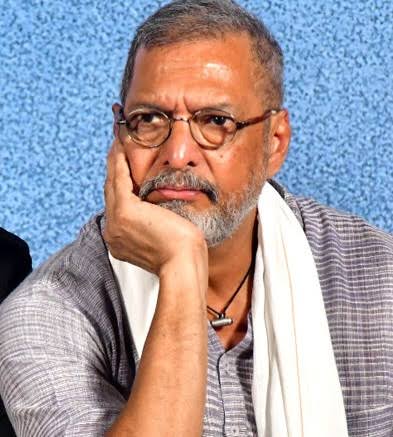
Vishwanath Patekar, known to the world as Nana Patekar, was an Indian actor, filmmaker and social worker whose career spanned nearly five decades in Hindi and Marathi cinema. Born in Maharashtra, he became known for intense, grounded performances that ranged from complex villains and fiery idealists to quiet, deeply human characters.
He passed away on 8 October 2026 at the age of 75 after a cardiac arrest at his home in Dona Paula, Goa. His work earned him three National Film Awards, multiple Filmfare Awards and the Padma Shri. Beyond the screen, he served in the Territorial Army and founded the Naam Foundation to support drought affected farmers in Maharashtra. This biography traces his journey from modest beginnings to lasting influence in Indian cinema and public life.
Who is Nana Patekar
Nana Patekar was an Indian actor, screenwriter and filmmaker who worked primarily in Hindi and Marathi films. He was also a philanthropist and held an honorary rank in the Indian Territorial Army. Audiences recognised him for his distinctive voice, sharp dialogue delivery and ability to bring raw intensity to both dramatic and comic roles. His performances often felt lived in rather than performed, drawing from personal experiences of hardship and observation of ordinary lives. He remained selective about roles and maintained a relatively private personal life while engaging actively with social causes in later years.
Nana Patekar Early Life
Nana Patekar was born Vishwanath Patekar on 1 January 1951 in Murud Janjira, a coastal town in the Raigad district of Maharashtra, India. He belonged to a Marathi family. His father, Dinkar Patekar, ran a small textile painting business, and his mother was Sanjanabai Patekar. He had two brothers, Ashok and Dilip.
The family faced financial difficulties when Nana was around thirteen. The business suffered setbacks, and the household moved from relative stability into hardship. To support the family, young Nana began working while still in school. He painted film posters in the Chunabhatti area of Mumbai and sometimes painted road markings such as zebra crossings. Reports from his own accounts indicate he earned about thirty five rupees a month at times and often walked long distances after school. These years of limited means and physical labour shaped his understanding of struggle and resilience, qualities that later appeared in many of his screen characters.
He studied at Samartha Vidyalaya in Mumbai for a period before joining the Sir J.J. Institute of Applied Art. There he trained in commercial art. After completing his studies he worked in advertising while developing an interest in theatre. Experimental Marathi theatre became an important training ground. The stage taught him timing, the power of silence and the weight of carefully chosen words. His father died of a heart attack when Nana was twenty eight, adding another layer of personal loss during his early adult years.
Nana Patekar Roots in Maharashtra
Murud Janjira lies in the coastal Konkan region of Maharashtra, known for its fort, beaches and fishing communities. The town and surrounding Raigad district form part of a landscape shaped by the Arabian Sea, laterite soil and traditional Marathi culture. Nana Patekar’s early life was rooted in this environment before the family circumstances drew him more fully into Mumbai. The cultural values of hard work, direct speech and community awareness that he often displayed in public life reflected elements of his Maharashtra upbringing. Later in life he returned to the concerns of rural Maharashtra through his work with farmers facing drought, connecting his personal origins with practical support for those facing similar economic pressures.
Nana Patekar Career
Nana Patekar’s professional journey began in the late 1970s and continued until 2026. He moved between parallel cinema, mainstream Hindi films and significant Marathi productions, building a reputation for authenticity rather than conventional stardom.
Early Roles and Breakthrough
His first film appearance came in the 1978 Hindi drama Gaman, directed by Muzaffar Ali. He followed this with work in Marathi cinema and supporting parts in Hindi films such as Aaj Ki Awaaz, Ankush, Pratighaat and Andha Yudh. His role in Mira Nair’s Salaam Bombay! (1988), which received an Academy Award nomination for Best Foreign Language Film, brought wider critical attention.
The major turning point arrived with Vidhu Vinod Chopra’s Parinda (1989). Patekar played Anna, a volatile underworld figure. The performance earned him the National Film Award for Best Supporting Actor and the Filmfare Award for Best Supporting Actor. The intensity and unpredictability he brought to the character established him as an actor capable of carrying complex, morally ambiguous roles.
Directorial Work and 1990s Success
In 1991 he directed and starred in Prahaar: The Final Attack. The film centred on military training and discipline. To prepare for the role he underwent extensive training with the Maratha Light Infantry, an experience that deepened his connection with the armed forces. The 1990s brought a series of strong performances. In Angaar (1992) he played a villain and won the Filmfare Award for Best Villain. Tirangaa and Raju Ban Gaya Gentleman further expanded his range.
Krantiveer (1994) marked another high point. As Pratap Narayan Tilak, a man who turns to activism and confrontation against injustice, Patekar delivered a powerful central performance. The film brought him the National Film Award for Best Actor and the Filmfare Award for Best Actor. In 1996 he received a second National Film Award for Best Supporting Actor for Agni Sakshi, in which he portrayed a controlling and abusive husband. The same year he appeared in Khamoshi: The Musical, again showing restraint and emotional depth.
Later Career and Versatility
The 2000s saw him take on varied characters. Ab Tak Chhappan (2004) cast him as a determined police officer. Apaharan (2005) earned him another Filmfare Award for Best Villain. He played a politician in Raajneeti (2010) and found commercial success with the comic role of Uday Shetty in Welcome (2007) and its sequel Welcome Back (2015). These lighter films introduced his work to newer audiences while he continued to choose dramatic roles that interested him.
In Marathi cinema he delivered one of his most acclaimed later performances in Natsamrat (2016), playing a retired stage actor confronting the realities of ageing and family. The role brought him the Filmfare Marathi Award for Best Actor. He also appeared in Dr. Prakash Baba Amte – The Real Hero and later projects such as Kaala (2018), The Vaccine War (2023), Vanvaas (2024) and Housefull 5 (2025). He provided the voice of Shere Khan in the Hindi version of The Jungle Book (2016).
Notable films in which Nana Patekar featured include:
• Gaman (1978)
• Salaam Bombay! (1988)
• Parinda (1989)
• Prahaar: The Final Attack (1991)
• Angaar (1992)
• Krantiveer (1994)
• Agni Sakshi (1996)
• Khamoshi: The Musical (1996)
• Ab Tak Chhappan (2004)
• Apaharan (2005)
• Welcome (2007)
• Raajneeti (2010)
• Natsamrat (2016)
• Kaala (2018)
• The Vaccine War (2023)
• Vanvaas (2024)
He occasionally contributed playback singing in films such as Yeshwant, Wajood and Aanch.
Nana Patekar Awards
Nana Patekar received three National Film Awards: Best Supporting Actor for Parinda (1990), Best Actor for Krantiveer (1995) and Best Supporting Actor for Agni Sakshi (1997). At the Filmfare Awards he won Best Supporting Actor for Parinda, Best Actor for Krantiveer and Best Villain for both Angaar and Apaharan. He is one of the few actors to have won Filmfare Awards in the Best Actor, Best Supporting Actor and Best Villain categories.
He also received Maharashtra State Film Awards for earlier Marathi work, a Filmfare Marathi Best Actor award for Dr. Prakash Baba Amte – The Real Hero, and recognition for Natsamrat. In 2013 the Government of India conferred the Padma Shri on him for contributions to cinema and the arts. The same year he received the Raj Kapoor Special Contribution Award from the Maharashtra government and donated the cash prize toward drought relief.
Nana Patekar Military Service
Patekar joined the Indian Territorial Army and trained extensively with the Maratha Light Infantry while preparing for Prahaar. He held the rank of Captain and later rose to Honorary Lieutenant Colonel. During the 1999 Kargil War he sought and received permission from the then Defence Minister to spend time with troops. He served with a Quick Reaction Team and spent roughly sixty days in operational areas including locations near Dras, Kupwara and other sectors. He retired from the Territorial Army in 2013. This chapter of his life remained a source of personal pride and informed the discipline visible in several of his screen roles.
Nana Patekar Personal Life
Nana Patekar married Neelkanti Patekar in 1978. She came from a theatre background. The couple had a son, Malhar Patekar. They had earlier lost a son, Durvasa, at a very young age. Patekar kept his family life largely private. He lived simply for much of his career and spoke at times about the value of ordinary experiences over celebrity excess. In later years he spent time in Goa and maintained connections with Maharashtra.
Nana Patekar Philanthropy and Social Work
In 2015 he co founded the Naam Foundation with actor Makarand Anaspure. The organisation focused on supporting farmers and families affected by drought and debt in regions such as Vidarbha and Marathwada. The foundation provided financial assistance, alternative livelihood support, education help for children and water conservation projects. Patekar had earlier distributed personal funds to families of farmers who had died by suicide and used the platform of awards to direct attention and resources toward rural distress. The work continued for years and became an important part of how he chose to use his public standing.
Conclusion
Nana Patekar’s career reflected a consistent preference for roles that demanded honesty over surface glamour. From the early struggles of painting posters to National Award winning performances and quiet service with the Territorial Army, he built a body of work rooted in observation and personal experience. His contributions to Hindi and Marathi cinema, combined with practical efforts to assist drought affected communities, left a clear mark. He is remembered for performances that still feel immediate and for a public life that extended beyond the film set into areas of genuine social need.
FAQs
What is Nana Patekar’s full name and when was he born?
His full name was Vishwanath Patekar. He was born on 1 January 1951 in Murud Janjira, Maharashtra.
When did Nana Patekar pass away?
Nana Patekar passed away on 8 October 2026 at the age of 75 following a cardiac arrest at his residence in Dona Paula, Goa.
How many National Film Awards did Nana Patekar win?
He won three National Film Awards: Best Supporting Actor for Parinda, Best Actor for Krantiveer and Best Supporting Actor for Agni Sakshi.
What is the Naam Foundation?
The Naam Foundation is an organisation co founded by Nana Patekar and Makarand Anaspure in 2015 to support farmers and families affected by drought and related hardships in Maharashtra.
Did Nana Patekar serve in the Indian Army?
Yes. He served in the Territorial Army, trained with the Maratha Light Infantry, held the honorary rank of Lieutenant Colonel and spent time with troops during the 1999 Kargil War.
Which films are Nana Patekar best known for?
He is widely remembered for Parinda, Krantiveer, Agni Sakshi, Ab Tak Chhappan, Welcome and the Marathi film Natsamrat, among others.
Was Nana Patekar married and did he have children?
He was married to Neelkanti Patekar. They had a son named Malhar. The family had earlier lost a young son named Durvasa.